


Bespoke Branding Methods: A Guide to Printing on Promotional Merchandise
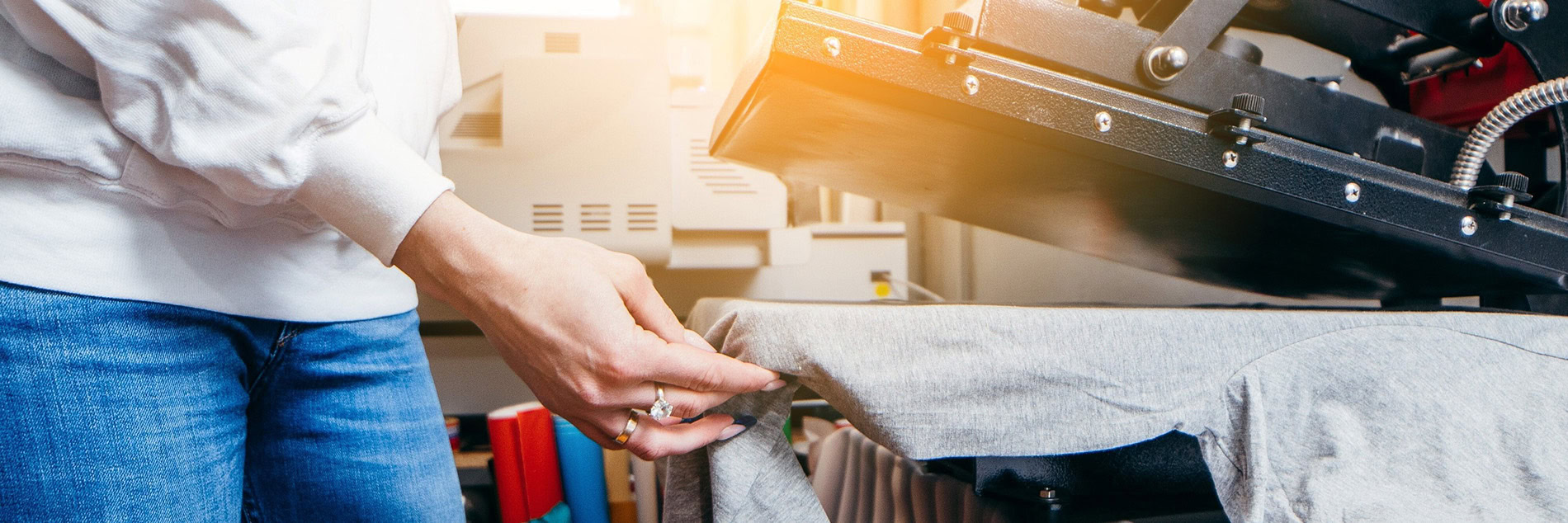
Using promotional products to market your business is an impactful way to keep your brand top of mind with clients across the UK. By applying your logo using techniques such as laser engraving, UV printing, screen printing, and more, you can create bespoke corporate gifts that represent your company with distinction. Branded merchandise like memory sticks, power banks, charging cables, or Bluetooth speakers serves as an exceptional tool for strengthening client relationships and boosting brand awareness.
When choosing a printing technique for promotional merchandise, it is essential to consider factors such as surface texture, material composition, and design details. For example, UV printing delivers outstanding results on flat surfaces, whereas pad printing is far better suited for curved or irregular contours. To represent your corporate image effectively, you must select both the right promotional products and the appropriate printing technique.
At DOYUK, we deliver tailored promotional products featuring bespoke artwork and expert printing techniques. Through our professional approach, we produce premium corporate merchandise designed to capture your clients’ attention and elevate your brand’s prestige.
Let us take a comprehensive look at the most popular printing techniques used in promotional merchandise today.
Laser Engraving
Although commonly referred to as “laser printing,” laser engraving is actually an etching process. In this method, no inks or dyes are used; instead, a high-precision laser beam is directed onto the surface of the material, using thermal energy to etch away the top layer and permanently recreate the desired artwork.
For instance, when laser engraving is applied to a matte black pen, the top coating is etched away to reveal the natural base finish of the pen underneath—typically silver, brass, or metallic gold.
Delivering permanent and highly durable results, laser engraving is an ideal branding method for promotional merchandise and executive gifts. You can brand your logo onto metal or wooden surfaces with razor-sharp precision that never wears off.
Laser engraving is performed using fibre and CO₂ laser machines. Fibre lasers excel at precision engraving on metal surfaces, whereas CO₂ lasers provide outstanding results on organic materials such as wood, leather, and acrylic.
LED Laser Engraving
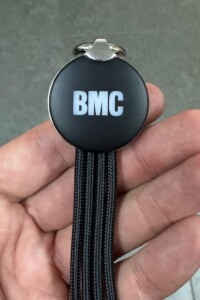
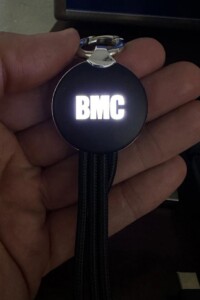
Certain promotional products are engineered with internal LED lights specifically for LED laser engraving. When laser engraving is applied to plastic or acrylic casings, the outer wall is etched thin enough to let light shine through. On wooden items, the targeted area is carved away entirely to reveal a translucent acrylic layer underneath.
When the product is powered off, your etched logo displays cleanly on the surface. When powered on, however, the internal LED backlights your logo, creating a striking, eye-catching illuminated effect.
Mirror Laser Engraving
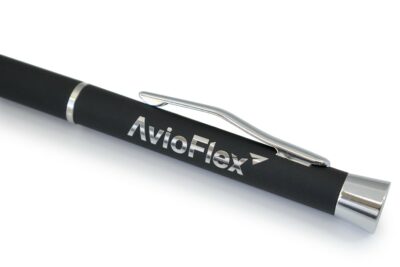
Some promotional products are manufactured with a specialised surface finish for mirror laser engraving. A matte coating is applied over a bright, reflective silver metallic body. When the laser engraves away the matte finish, the underlying mirror-like metallic base is exposed. As a result, your logo shines brilliantly against a sophisticated matte background, maximising visual contrast.
- Permanent and wear-resistant
- Unaffected by surface friction
- Rapid production turnaround
- No printing plates or moulds required
- Highly cost-effective branding method
- Ideal for both short runs and bulk orders
- Suitable for indoor and outdoor environments
- Cannot produce coloured prints
- Not suitable for heat-sensitive materials that may deform under thermal etching
UV Printing
UV printing is a versatile digital printing technique suitable for materials such as metal, plastic, wood, and leather. For traditional UV printing, the target substrate must have a flat, even surface.
While the ink is still wet on the surface, it is immediately exposed to ultraviolet (UV) light. The UV light cures and dries the ink in less than a second, bonding it securely to the material. As a result, artwork prints with exceptional sharpness and precision.
Compared to standard digital printing methods, UV printing delivers vibrant full-colour fidelity that rivals photo-quality resolution.
UV printing produces durable graphics that are highly resistant to moisture, scratching, and UV fading.
Because it requires no harsh solvent chemicals or strong odours, UV printing is an environmentally conscious process. Curing the ink instantly neutralises chemical emissions, minimising environmental impact. Additionally, many UV inks are formulated to be eco-friendly and recyclable.
In addition to the promotional merchandise industry, UV printing is widely used in advertising, packaging, custom labelling, and interior decor.
- Compatible with metal, plastic, wood, leather, and more
- Produces full-colour, photo-quality artwork with intricate detail
- Delivers crisp, vibrant, and high-contrast visuals
- Resistant to water, wear, and sun fading
- No printing plates or screens needed
- Fast production turnaround times
- Safe for human health and environmentally conscious
- Cost-effective even for short-run custom orders
- Reduced ink adhesion on high-gloss or untreated polished metal surfaces
- Cannot be applied directly to curved or irregular surfaces (without DTF transfer)
UV DTF Printing
Also known as "UV DTF cold transfer," this is a next-generation printing technology. It stands out for delivering vibrant colours, high-resolution graphics, and broad versatility across irregular substrates. While conventional UV printing is limited to flat surfaces, UV DTF printing applies the artwork onto a specialty transfer film without requiring weeded contours or cutting. This film can then be applied smoothly onto a wide variety of shapes and materials. It is the perfect branding solution for curved items such as insulated tumblers, water bottles, ceramic mugs, and flasks. Resistant to washing and high temperatures, UV DTF ensures long-lasting durability. Furthermore, it adheres permanently to the surface and will not peel off unless intentionally scraped with a sharp tool.
Hot Stamping / Debossing
Hot stamping (or blind debossing) is primarily applied to genuine and synthetic leather surfaces. In this method, a custom metal die (plate) is machined with your company logo. When the heated plate is pressed onto the leather surface under pressure, it leaves an indented, crisp impression of the logo. The resulting debossed imprint takes on a sophisticated tone slightly darker than the surrounding leather.
Because hot stamping alters the physical surface structure of the material under heat and pressure, the imprint is entirely permanent.
Hot Foil Stamping
In hot foil stamping, a metallic or coloured foil layer is added to the traditional hot stamping process. While blind debossing relies solely on heat and pressure to leave an understated natural indentation, foil stamping transfers a layer of brilliant, reflective foil directly into the debossed logo. Hot foil stamping offers luxurious metallic gold, silver, and coloured finishes, whereas blind debossing delivers a minimalist, organic aesthetic.
- 100% permanent and wear-resistant
- Unaffected by surface friction or scratching
- Delivers a sophisticated, minimalist executive look
- Eco-friendly process requiring no liquid inks or chemicals
- Cannot produce multi-colour printed artwork
- Requires custom metal die/plate fabrication
- Limited primarily to leather, PU, and heavy cardstock
- Higher setup costs for short-run bespoke orders
Screen Printing
Also known as “silkscreen printing,” screen printing is one of the oldest and most enduringly popular printing methods available today across the UK. It is widely used across virtually every category of promotional merchandise, particularly apparel and textile products. In screen printing, a separate stencil screen is prepared for each individual spot colour in the artwork. Ink is pressed through a fine mesh screen onto the surface of the product. Once heat-cured in a drying oven, the resulting imprint is exceptionally durable and long-lasting.
Thanks to modern production technology, almost any logo can be adapted for crisp, clean screen printing. This allows your brand name and logo colours to be reproduced with excellent opacity and visual consistency.
- Excellent for vibrant spot-colour printing
- Provides bold, high-opacity colours on dark fabrics
- Resistant to water and sun fading
- Versatile application across textiles, glass, metal, plastic, wood, and paper
- Cannot reproduce colour gradients or photographic blends
- Typically limited to a maximum of 4 spot colours per artwork
- May crack or wear over extended periods of heavy friction
- Setup costs increase with each additional spot colour
Pad Printing
Pad printing is a specialised indirect printing process that uses a flexible silicone pad to transfer ink from an etched printing plate onto a product. This technique is renowned for delivering high-resolution results on curved, rounded, and irregular surfaces. Because the silicone pad moulds around contours, intricate details, small logos, and fine text can be printed with sharp clarity. Its ability to brand compact, uneven surfaces makes pad printing one of the most popular choices for promotional merchandise.
This printing method works across a vast range of materials. In addition to plastic, metal, glass, ceramic, and wood, pad printing can even be applied to delicate items like stress balls or hard, dimpled surfaces like golf balls. This incredible versatility allows the technique to be utilised across numerous industries and product categories.
In summary, pad printing is an effective branding solution that transfers fine detail with precision. Its unmatched performance on curved and non-flat surfaces sets it apart from other printing methods. Combining durability, versatility, and sharp visual presentation, pad printing remains an indispensable technique in the UK promotional merchandise industry.
- Prints smoothly on curved, rounded, and small surfaces
- Compatible with plastic, metal, glass, ceramic, wood, and more
- Gentle enough for delicate materials like balloons and stress relievers
- Not suitable for heavily textured or rough surfaces
- Best suited for 1- or 2-colour spot printing; multi-colour printing requires separate passes
- May wear over time when subjected to constant abrasion or harsh chemicals
Domed Labels / Epoxy Dosing
Domed labels (or epoxy doming) are durable, premium specialty labels designed to give your promotional merchandise a striking, tactile finish. Created by pouring a crystal-clear polyurethane resin over a printed vinyl label, the coating cures into a raised, glossy 3D dome. This effect makes your logo pop with enhanced depth and visual permanence.
Ideal for promotional merchandise, domed labels are widely used on bespoke memory sticks, bags, charging cables, electronics, furniture emblems, and automotive badges. The polyurethane resin coating makes the labels scratch-resistant, waterproof, UV-resistant, and non-yellowing. This rugged durability combined with a sleek aesthetic makes epoxy doming a top choice for high-value corporate branding.
The natural lens effect of the polyurethane dome magnifies the printed artwork underneath, making text and logos appear sharper and more prominent. Furthermore, the high-gloss 3D finish adds a touch of executive elegance that strengthens your corporate image. Engineered to withstand both indoor and outdoor conditions, domed labels stand apart from standard decals in durability and presentation.
In short, domed labels are a cost-effective and visually premium branding solution for promotional merchandise. By adding protective depth and gloss to your products, your logo remains pristine for years. They can be custom-manufactured in virtually any size and contour to fit your exact product requirements.
- Delivers a raised, glossy 3D tactile finish
- Natural magnifying lens effect makes logos appear sharper
- Resistant to water, scratches, and UV fading
- Suitable for both indoor and outdoor environments
- Cost-effective even for short-run bespoke orders
- Not suitable for application on curved or highly textured surfaces
- Not practical for large-area surface prints
Digital and Offset Printing
Digital printing transfers artwork directly from a computer to the printing press. Because it requires no film output or printing plates, production can begin immediately. It is ideal for short-run bespoke print orders and allows for effortless variable-data personalisation. It is widely used for business cards, flyers, posters, and paper-based promotional collateral.
Offset printing is a traditional commercial printing technique where inked images are transferred from metal plates onto a rubber blanket, and then pressed onto the paper substrate. It is designed for large-scale production runs, where the cost per unit drops substantially as volume increases. Offset printing delivers unmatched sharpness and colour fidelity for catalogues, magazines, books, and brochures.
Apparel & Textile Printing Techniques
Embroidery
Logos and artwork are stitched directly into the fabric using embroidery threads, creating a sophisticated, textured 3D finish. It is the premier choice for branded polo shirts, caps, backpacks, and outerwear across the UK.
Woven Labels & Patches
The logo or pattern is woven directly into the fabric during the loom weaving process, becoming an integral part of the textile. Ideal for bespoke neck labels, woven patches, and custom textile bands.
Vinyl / HTV Transfer
A soft, flexible heat-transfer printing method that maintains fabric breathability while delivering vibrant, opaque colours. Widely preferred for activewear and performance apparel, combining comfort with modern aesthetics.
Textile Screen Printing (Pigment / Emulsion)
Traditional textile screen printing where emulsion or pigment inks are pressed into fabric fibres. Ideal for multi-colour spot printing and detailed graphics, delivering long-lasting durability on cotton and cotton-blend fabrics.
Dye-Sublimation
Specialised dye inks are heat-fused directly into polyester fabric fibres at the molecular level. Produces permanent, fade-proof, and breathable full-colour graphics that never crack or peel, making it standard for sportswear and jerseys.
Puff / Textured Printing
A specialty printing effect that expands during curing to leave a textured, raised, and velvety surface. Popular in casual wear and youth apparel, it adds a distinctive tactile layer to printed graphics.
Jacquard Weaving
Intricate patterns and artwork are woven into the fabric structure using specialised Jacquard looms. Renowned for its durability and luxurious presentation in premium textiles and custom towels.
DTF (Direct to Film)
Artwork is printed onto a specialty transfer film and heat-pressed directly onto apparel. Delivers sharp, vibrant, full-colour graphics on cotton, polyester, and blends. Highly cost-effective for short-run bespoke merch.
Digital Heat Transfer
Artwork is digitally printed onto transfer paper and bonded to apparel using industrial heat presses. A fast, economical solution for producing complex, full-colour designs on promotional textiles.

 Usb Sticks
 USB C Memory Sticks
 Card USB Sticks
 Wooden USB Sticks
 Key USB Sticks
 Pen USB Sticks
 Custom USB Sticks
 Power Banks
 Wireless Chargers
 Charging Cables
 Cell Phone Accessories
 Speakers
 Earbuds
 Mouse
Mouse Car Mouse
 Mouse Pads
 Bags
Bags Wallet & Card Holder
 Travel Accessories
 Thermos & Tumblers
 Water Bottles
 Mugs & Cups
 Glassware & Carafes
 Drinkware Accessories
 Pens
Pens Metal Barrel Pens
 Pencils
 Stylus Pens
 Writing Sets
 Notebooks
 Desktop Accessories
 Car Accessories
 Tools
Tools Keychains
 Bottle Openers

